A commercial office build-out cannot be reduced to a single per-square-foot figure. Identical square footage in identical buildings can carry materially different costs, determined by the condition of the existing space, the level of finish, and the systems behind the walls. Understanding what drives that variance is the difference between a budget that holds and one that erodes through change orders.
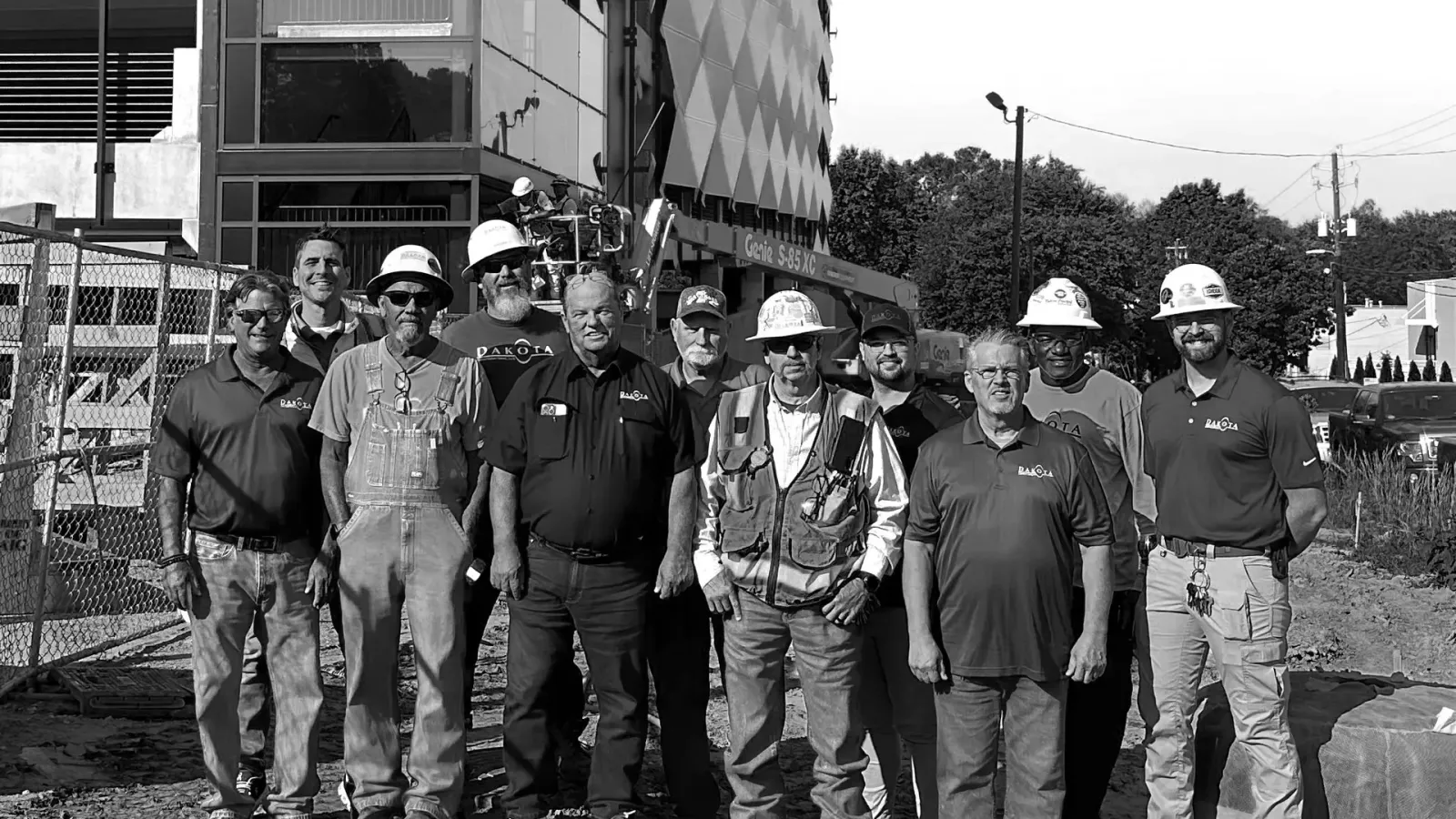
Dakota Contractors has delivered commercial projects across Metro Atlanta since 1998.
The factors that determine office build-out cost
Condition of the existing space
The condition of the starting space is the largest single variable in any office build-out. A second-generation space with existing restrooms, a functioning HVAC layout, and a usable floor plan can be finished efficiently. A cold, dark shell requires every system to be built from the slab: electrical, plumbing, HVAC distribution, fire protection, ceilings, and flooring.
The relevant question before signing a lease is not the per-square-foot rate. It is the precise condition of the space and the scope of the landlord's delivery. That answer reshapes the entire budget.
Finish level
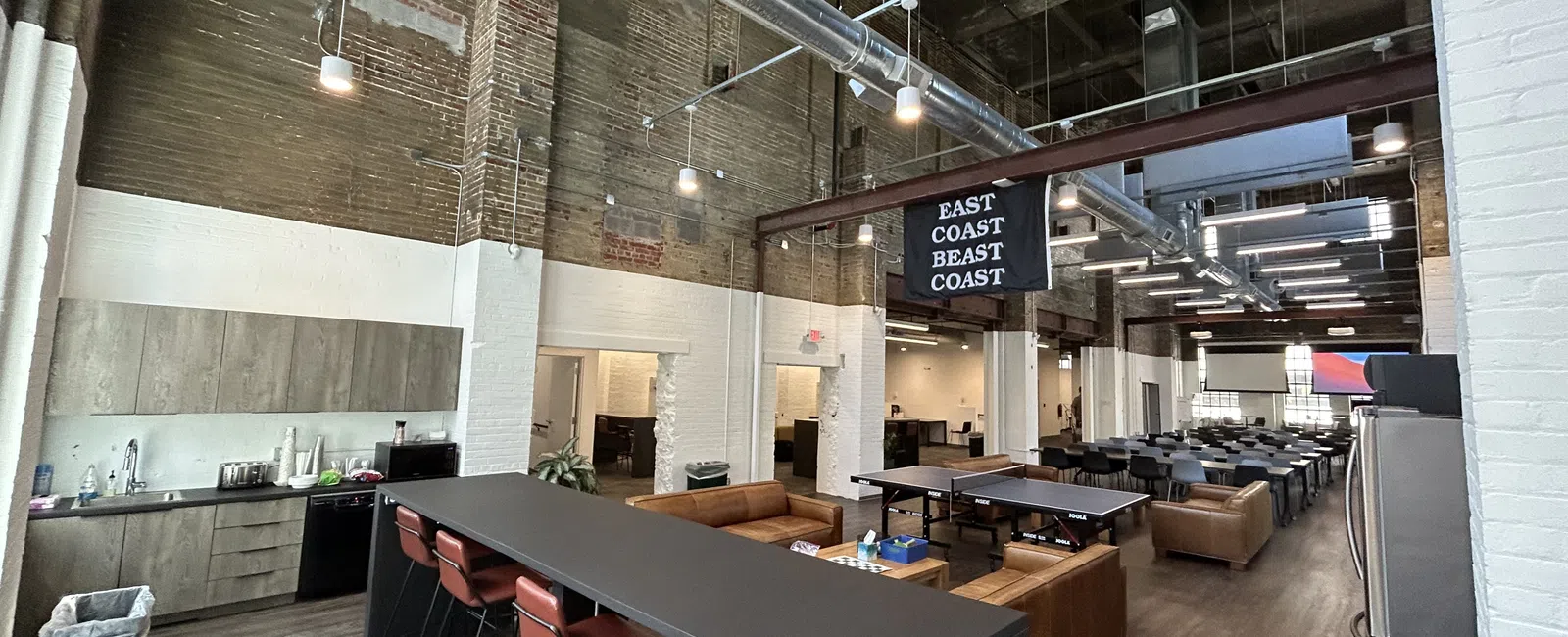
Finish level is the second major driver. Building-grade carpet, painted drywall, and standard lighting occupy one end of the spectrum. Polished concrete, glass-front conference rooms, custom millwork, specified lighting, and feature ceilings occupy the other. Defining the intended finish early ensures that every subsequent figure is accurate.
MEP scope (mechanical, electrical, plumbing)
The systems above the ceiling and behind the walls account for more cost than most tenants anticipate. Private offices require additional HVAC zones, supply and return lines. Break rooms and executive restrooms require new plumbing runs. Data-intensive floors require expanded electrical and low-voltage scopes. MEP is also where older buildings conceal the most risk, which is why it is scoped before design rather than after.
Code, permitting, and accessibility
Bringing a space to the current code is mandatory and carries real cost. ADA accessibility, fire and life-safety systems, egress requirements, and energy code compliance vary by jurisdiction across Metro Atlanta. These obligations are priced in from the outset. An estimate that omits them is incomplete, not lower.
Tenant improvement allowance
Most commercial leases include a tenant improvement (TI) allowance, a sum the landlord contributes toward the build-out that directly offsets tenant cost. The allowance and the project scope must be planned together. The terms of the allowance can influence the budget as much as the construction itself.
Timeline
Schedule affects cost. A standard timeline allows work to sequence efficiently. A compressed timeline driven by a lease commencement or move-out date introduces overtime, expedited materials, and intensified coordination. The most effective control is not additional budget but earlier preconstruction engagement, which protects both cost and schedule.
Occupied versus vacant space
Building out a space while a business continues to operate within it requires phased work, off-hours labor, dust and noise containment, and close coordination with operations. Dakota delivers occupied build-outs routinely. The cost structure differs from a vacant suite and is accounted for from the start.
An accurate estimate requires a defined scope
The lowest estimate is frequently the least complete. Omitted code upgrades, underestimated MEP, and optimistic assumptions about an existing shell produce a figure that expands through change orders once work begins. An accurate estimate surfaces these conditions before commitment, so the approved number closely reflects the final cost.
This is where Dakota concentrates its work before construction begins. The Preconstruction Services team engages early, frequently before drawings exist, to define the space, the scope, and the budget while adjustments remain cost-free.
Accurate spatial data produces accurate budgets
Early estimates most often fail due to incomplete spatial data. A manual measurement misses a beam or a duct run, and the design is corrected in the field at cost. Matterport 3D laser scanning eliminates that risk. Dakota scans the existing space and produces a dimensionally accurate digital model that architects and estimators can build directly from, compressing the path from prospective space to budgeted plan and grounding the estimate in measured reality.
How Dakota establishes office build-out pricing
Dakota does not price an office build-out without first assessing the space. The process is structured to produce an accurate, scoped figure efficiently.
Matterport captures exact existing conditions, including in occupied suites, without disrupting operations. Preconstruction then defines the scope and budget, identifying cost drivers, code requirements, and MEP realities while they are still inexpensive to resolve. The result is a scoped estimate grounded in the actual space, finish level, and timeline, followed by delivery that brings the attention of a small contractor and the resources of a large one.
Dakota has delivered commercial interiors across the region since 1998, spanning office and corporate build-outs of every scale and finish level throughout Metro Atlanta.
Request an estimate for your office build-out
Provide the details of your space and timeline, and Dakota will produce an accurate, scoped estimate grounded in your project.